
Drug Rehab Facilities in Bend OR
Finding the right drug rehab facility Bend OR can feel overwhelming and confusing. Addiction and mental health disorders are deeply complex. They affect every dimension of a person’s life, from relationships to physical health. Bend, Oregon offers access to quality treatment resources for those ready to seek help. The right treatment center offers far more than basic care. It provides a full continuum of evidence-based services tailored to each individual. These services address both substance use and the underlying mental health issues driving it. Choosing wisely can mean the difference between short-term relief and genuine, lasting recovery. This guide walks through the key services to look for in a treatment program. It will help you make a confident, informed decision for yourself or a loved one. Take your time, ask the right questions, and trust that help is available.
Breaking the Stigma Around Addiction and Mental Health
One of the greatest barriers to seeking help is stigma. Many people feel profound shame about struggling with addiction or mental illness. Society frequently labels these conditions as personal failures or character flaws. The truth is that addiction is a chronic brain disorder with documented neurological underpinnings. Mental health conditions are medical issues, not moral weaknesses or signs of personal failure. This stigma keeps people from reaching out for the help they deserve and need. It silences families and isolates individuals at the moments they need support most. A quality drug rehab facility Bend OR will treat every person with dignity, compassion, and respect. Nobody should feel judged or shamed for seeking treatment. Recovery requires real courage, and acknowledging a problem is the first brave step. When stigma is replaced with understanding and empathy, more people access the support they need and deserve. Educating families and communities about the science of addiction is an essential part of lasting cultural change.
Intervention Assistance and Medical Detox
For many people, the path to recovery begins with intervention. Professional intervention assistance helps families guide their loved one toward treatment in a structured, compassionate way. Skilled interventionists facilitate conversations that break through denial and resistance. After intervention, medical detox is often the critical next step. Detox safely manages withdrawal symptoms under close medical supervision. It clears substances from the body in a controlled, monitored environment. Attempting detox alone can be dangerous and even life-threatening. Medical staff monitor vital signs and provide medications to ease discomfort throughout the process. A strong drug rehab facility Bend OR will offer both professional intervention support and medically supervised detox. These services create a safe and stable foundation for everything that follows in recovery.
Individual and Group Therapy
Therapy is at the core of any effective addiction treatment program. Both individual and group therapy play essential roles in the healing process. Individual therapy provides a private, confidential space to:
- Explore personal trauma and deeply rooted emotional triggers
- Set personalized, meaningful goals for recovery
- Work through co-occurring mental health conditions like anxiety or depression
- Build a trusting, supportive relationship with a dedicated counselor
Group therapy offers a different and equally powerful kind of healing. Sharing experiences with peers who truly understand your journey reduces isolation and shame. It builds accountability, empathy, and healthy communication skills. It demonstrates that no one is alone in their struggle. Research consistently shows that peer connection strengthens long-term recovery outcomes. A reputable drug rehab facility Bend OR integrates both individual and group therapy into every personalized treatment plan. Together, these approaches address the emotional and relational dimensions of addiction in meaningful depth.
Inpatient and Outpatient Treatment Options
Treatment intensity must match each person’s unique circumstances and needs. Inpatient and outpatient programs provide different but equally important levels of care. Inpatient treatment involves living at the facility full-time. It is well-suited for those with severe addiction or unstable home environments. Key benefits include:
- Around-the-clock medical and emotional support
- A highly structured, distraction-free environment
- Intensive therapy sessions multiple times each day
- Complete removal from harmful triggers and negative influences
Outpatient treatment allows clients to live at home while receiving care. It works well for those with strong family support systems in place. Clients attend scheduled therapy sessions several days per week. This option supports continued employment or family responsibilities. It gradually builds independent coping skills in real-world settings. A skilled drug rehab facility Bend OR carefully assesses each individual before recommending a level of care. The goal is always to match the right program to the right person at the right time.
Partial Hospitalization Program
A partial hospitalization program, commonly known as PHP, sits between inpatient and standard outpatient care in the treatment continuum. Clients attend structured programming for several intensive hours each day, then return home or to sober living each evening. PHP is ideal for people who need significant clinical support but do not require 24-hour residential placement. Daily sessions typically include individual therapy, group counseling, psychiatric evaluations, and skills-building activities. A PHP at a drug rehab facility Bend OR provides a highly supportive bridge during vulnerable stages of early recovery. It ensures clients are never without clinical structure while they begin rebuilding their daily lives. PHP also prepares clients for the transition to less intensive outpatient programming with greater confidence.
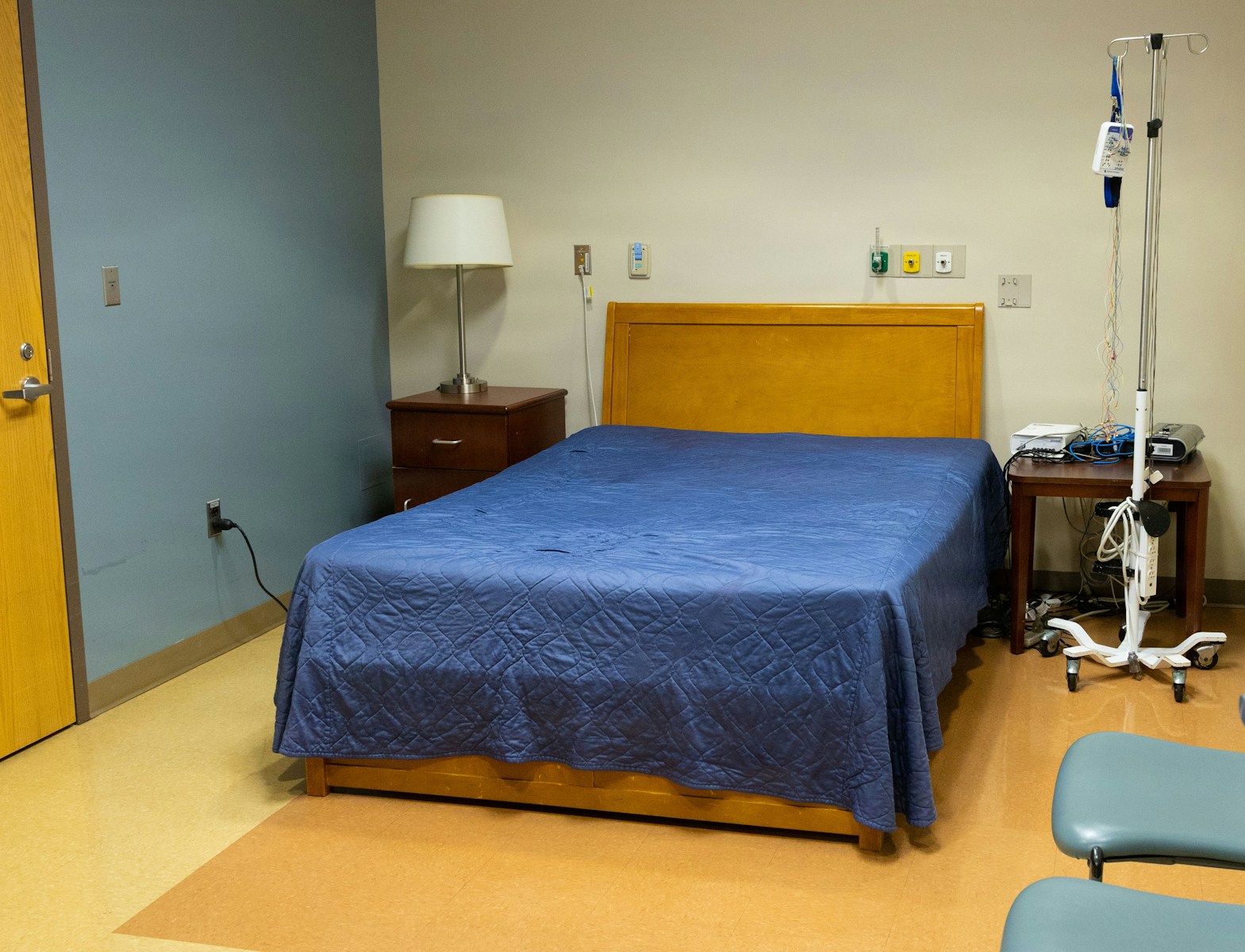
Transitional Living and Case Management
Recovery does not end when formal treatment concludes. Transitional living provides a safe, structured, sober environment for clients after leaving residential care. It supports a gradual, supported return to independent daily life. Residents live alongside peers in recovery and follow established house expectations. This structured setting dramatically reduces the risk of early relapse. Living with others in recovery creates natural accountability and community. Case management works closely alongside transitional living to ensure continuity of care. A dedicated case manager coordinates all aspects of a client’s recovery journey from start to finish. Responsibilities include:
- Connecting clients to community resources and local support groups
- Scheduling follow-up therapy and medical appointments after discharge
- Navigating insurance coverage, financial aid, and benefits access
- Monitoring client progress and adjusting the aftercare plan as needed
These combined services make the transition from treatment to independent living far safer and more sustainable over time.
Mentoring Programs
Peer support is one of the most powerful tools in long-term recovery. A mentoring program pairs newer clients with individuals who are further along in their own recovery journey. Mentors offer lived experience, genuine encouragement, and consistent accountability. They help clients navigate early challenges with practical, firsthand guidance. Simply knowing that someone has walked a similar path can be profoundly motivating and reassuring. Alumni programs extend this vital peer support beyond the walls of formal treatment. Graduates of a drug rehab facility Bend OR remain connected through structured alumni networks. These may include regular group meetups, continued counseling access, and sober social events throughout the year. Staying actively involved in a recovery community significantly lowers long-term relapse rates. Alumni programs reinforce that recovery is not a single event. It is an ongoing, evolving journey that truly benefits from sustained community and connection. These programs also give graduates an opportunity to give back by supporting newer clients.
Relapse Prevention Planning
Relapse prevention planning is a critical and non-negotiable component of comprehensive addiction treatment. A thorough drug rehab facility Bend OR helps every client identify their personal warning signs well before discharge. Warning signs may include specific stressors, relationship conflicts, emotional states, or environmental cues. Therapists work collaboratively with clients to develop individualized coping strategies. These strategies are practiced and rehearsed repeatedly before leaving treatment. This preparation makes them more accessible and effective in real-life situations. A complete relapse prevention plan typically includes:
- Personalized trigger identification and practical avoidance strategies
- Healthy, sustainable stress management and emotional regulation techniques
- Emergency contact lists and detailed crisis intervention plans
- Ongoing therapy appointments and support group attendance schedules
- Clear action steps for high-risk situations or moments of doubt
The goal of treatment is not only to complete a program. The ultimate goal is sustained, meaningful sobriety back in the real world.
Evidence-Based Therapeutic Approaches
The most effective treatment programs use therapies supported by rigorous clinical research and peer-reviewed evidence. A qualified drug rehab facility Bend OR will offer a comprehensive range of proven therapeutic modalities.
- Cognitive Behavioral Therapy (CBT) helps clients identify and challenge negative thought patterns. It teaches healthier, more adaptive ways to respond to stress, cravings, and difficult emotions. CBT is highly effective for both addiction and co-occurring conditions like anxiety and depression.
- Dialectical Behavior Therapy (DBT) focuses specifically on emotional regulation and distress tolerance. It teaches mindfulness skills, interpersonal effectiveness, and healthy ways to cope with overwhelming feelings. DBT is especially beneficial for clients with trauma histories or mood disorders.
- EMDR (Eye Movement Desensitization and Reprocessing) directly addresses unresolved trauma stored in the nervous system. It uses guided eye movements to help the brain reprocess painful, traumatic memories safely. EMDR can significantly reduce the emotional charge that underlies substance use behaviors.
Motivational Interviewing is a collaborative, client-centered counseling approach. It helps people discover and articulate their own personal reasons for change. Rather than pushing clients toward recovery, it skillfully draws out their internal motivation. This evidence-based approach is especially effective for clients who remain ambivalent about committing to treatment.
Life Skills, Medication Management, and Family Support
Lasting recovery requires practical preparation for the demands of everyday life. Life skills training teaches essential competencies that are often significantly disrupted by active addiction. These include personal budgeting, time management, healthy communication, conflict resolution, and job readiness skills. Clients leave treatment better equipped to handle real-world responsibilities with confidence and stability.
Medication management is another key service offered at a full-service drug rehab facility Bend OR. Medications may be prescribed to manage withdrawal symptoms, reduce cravings, or treat co-occurring mental health diagnoses. A licensed psychiatrist or qualified prescriber carefully oversees all medication decisions throughout treatment. Regular follow-up ensures that medications are working as intended and adjusted when necessary.
Family support is equally important to achieving meaningful, lasting recovery outcomes. Addiction does not affect only the individual. It profoundly impacts every person close to them. Family therapy helps loved ones understand the disease model of addiction more clearly. It repairs fractured communication and helps establish healthy, sustainable relationship boundaries. Families gain tools to provide genuine support without enabling harmful behaviors. Research consistently shows that when families are engaged in treatment, long-term outcomes improve considerably for everyone involved.
Conclusion
Not every program will be the right fit for every person. When evaluating any drug rehab facility Bend OR, it helps to ask direct, specific questions. Consider whether the facility offers a full, connected continuum of care from detox through aftercare. Ask whether therapists are fully licensed and extensively trained in addiction and co-occurring disorders. Confirm that the program addresses mental health conditions alongside substance use. Ask about staff-to-client ratios and how individualized the treatment plans truly are. Find out what happens after formal treatment ends and how the facility supports long-term recovery. A trustworthy drug rehab facility Bend OR will welcome every question openly and answer them honestly. It will prioritize your individual needs and concerns from the very first phone call. No one should feel rushed or pressured into choosing a program that does not feel right. Reaching out for help is the most important step anyone can take. With the right support, the right clinical team, and a personalized treatment plan, lasting recovery is absolutely achievable. To obtain this assistance contact us today at 1 (541) 802-7214 or visit our website. You do not have to navigate this journey alone. Help is available, and healing is possible.