


Taking the first step toward recovery from substance abuse or mental health challenges requires courage, and choosing the right treatment facility is crucial to your healing journey. If you’re considering treatment in Central Oregon, understanding what to expect at a Bend OR rehab facility can help ease anxiety and prepare you for the transformative experience ahead. This comprehensive guide walks you through the various services, therapeutic approaches, and treatment levels available at a quality Bend OR rehab facility.
Understanding the Initial Steps: Detox and Intervention Assistance
When you first arrive at a Bend OR rehab facility, your journey often begins with a thorough assessment to determine the most appropriate level of care for your unique situation. For many individuals struggling with substance abuse, the first critical phase involves medically supervised detoxification.
Detox and intervention assistance at a Bend OR rehab facility provides:
- Medical supervision during withdrawal: Trained medical professionals monitor your vital signs and symptoms 24/7, ensuring your safety as your body adjusts to the absence of substances. This is particularly important for individuals withdrawing from alcohol, benzodiazepines, or opioids, where complications can be serious.
- Medication-assisted comfort: Healthcare providers may administer medications to reduce withdrawal symptoms, minimize cravings, and prevent potentially dangerous complications. This evidence-based approach makes the detox process more manageable and increases the likelihood of successful completion.
- Professional intervention services: For families struggling to convince a loved one to seek treatment, intervention assistance connects you with trained interventionists who facilitate structured conversations. These specialists help families communicate their concerns effectively while encouraging the individual to accept help.
- Crisis stabilization: The detox phase provides a safe, supportive environment where you can stabilize physically and mentally before engaging in intensive therapeutic work.
Detoxification addresses the physical dependence on substances, creating a foundation for the psychological and behavioral work that follows. A comprehensive Bend OR rehab facility recognizes that detox is just the beginning of recovery, not the entirety of treatment.
Exploring Treatment Levels: Inpatient and Outpatient Care
Recovery is not one-size-fits-all, which is why a quality Bend OR rehab facility offers multiple levels of care to match individual needs, severity of addiction, and personal circumstances.
Inpatient treatment provides the highest level of structured care:
- 24/7 therapeutic environment: You reside at the facility, removed from triggers and stressors that contribute to substance use. This immersive experience allows you to focus entirely on recovery without the distractions of daily life.
- Intensive daily programming: Expect to participate in multiple individual therapy sessions, group counseling, educational workshops, and therapeutic activities throughout each day. This structured schedule keeps you engaged and accelerates the healing process.
- Peer support community: Living alongside others facing similar challenges creates powerful connections and reduces feelings of isolation. These relationships often become vital sources of support long after treatment ends.
- Medical and psychiatric support: On-site medical professionals and psychiatrists are available to address co-occurring mental health conditions and manage medications as needed.
Outpatient treatment offers flexibility for those who need to maintain work, family, or educational commitments:
- Scheduled therapy sessions: You attend individual and group therapy sessions several times per week while living at home, allowing you to immediately apply recovery skills to real-world situations.
- Gradual reintegration: This approach helps you practice sobriety skills while managing daily responsibilities, building confidence in your ability to maintain recovery.
- Continued accountability: Regular check-ins with therapists and counselors provide ongoing support and help you navigate challenges as they arise.
- Cost-effective option: Outpatient care typically costs less than residential treatment, making it accessible to more individuals seeking help.
The treatment team at your Bend OR rehab facility will work with you to determine which level of care best supports your recovery goals.
Specialized Programming: PHP and Residential Treatment
Between the extremes of inpatient hospitalization and traditional outpatient care, a Bend OR rehab facility often provides intermediate levels of care that offer intensive treatment with varying degrees of structure.
Partial Hospitalization Program (PHP) serves as a bridge between inpatient and outpatient care:
- Intensive daily treatment: PHP typically involves treatment five to six days per week for six or more hours per day, providing structured therapeutic programming while allowing you to return home each evening.
- Comprehensive services: This level includes individual therapy, group counseling, psychiatric services, medication management, and case management—all the benefits of inpatient care without overnight stays.
- Appropriate for acute needs: PHP is ideal for individuals stepping down from inpatient care or those who need more support than standard outpatient services provide but don’t require 24-hour supervision.
- Real-world practice: Returning home each night allows you to practice recovery skills in your own environment while maintaining the safety net of daily professional support.
Residential treatment offers long-term immersive care:
- Extended stay options: Residential programs typically last 30, 60, or 90 days, though some individuals benefit from longer stays. This extended timeframe allows for deeper therapeutic work and habit reformation.
- Home-like environment: Unlike hospital-based inpatient programs, residential facilities provide a more comfortable, home-like setting that promotes healing and reflection.
- Holistic approach: Residential programs at a Bend OR rehab facility often incorporate experiential therapies, outdoor activities, nutritional counseling, and wellness practices alongside traditional treatment.
- Structured daily routine: You’ll participate in a balanced schedule of therapy, meals, recreation, and rest that promotes physical health and emotional stability.
These intermediate care levels ensure that your Bend OR rehab facility can provide exactly the right intensity of treatment for your situation.
Evidence-Based Therapeutic Approaches
Modern addiction and mental health treatment relies on scientifically validated therapeutic modalities. A comprehensive Bend OrR rehab facility employs multiple evidence-based approaches to address the complex nature of substance use disorders and co-occurring mental health conditions.
Eye Movement Desensitization and Reprocessing (EMDR) helps process traumatic experiences:
- Trauma resolution: Many individuals with substance use disorders have experienced trauma that contributes to their addiction. EMDR uses bilateral stimulation (eye movements, tapping, or sounds) to help your brain reprocess traumatic memories, reducing their emotional charge.
- Reduced PTSD symptoms: This approach is particularly effective for treating post-traumatic stress disorder, which frequently co-occurs with addiction.
- Non-invasive healing: EMDR allows you to heal from trauma without having to talk extensively about painful experiences, making it accessible for those who struggle with traditional talk therapy.
Cognitive Behavioral Therapy (CBT) addresses thought patterns and behaviors:
- Identifying distortions: CBT helps you recognize negative thought patterns and cognitive distortions that fuel substance use and mental health symptoms.
- Developing coping skills: You’ll learn practical strategies to challenge unhelpful thoughts and respond to triggers in healthier ways.
- Relapse prevention: CBT teaches you to identify high-risk situations and develop concrete plans to maintain sobriety when facing challenges.
- Addressing co-occurring disorders: This versatile approach effectively treats depression, anxiety, and other mental health conditions alongside addiction.
Dialectical Behavior Therapy (DBT) builds emotional regulation skills:
- Mindfulness practice: DBT incorporates mindfulness techniques that help you stay present and aware rather than reacting impulsively to cravings or difficult emotions.
- Distress tolerance: You’ll develop skills to tolerate uncomfortable emotions without turning to substances for relief.
- Interpersonal effectiveness: DBT teaches you to communicate assertively, set boundaries, and build healthy relationships—crucial skills for long-term recovery.
- Emotion regulation: This approach is particularly effective for individuals with borderline personality disorder, bipolar disorder, or intense emotional reactivity.
The therapeutic team at your Bend OR rehab facility will tailor these approaches to your specific needs and treatment goals.
Practical Skills and Supportive Services
Beyond clinical therapy, a quality Bend OR rehab facility provides practical training and support services that prepare you for sustainable recovery in the real world.
Life skills training equips you for independent living:
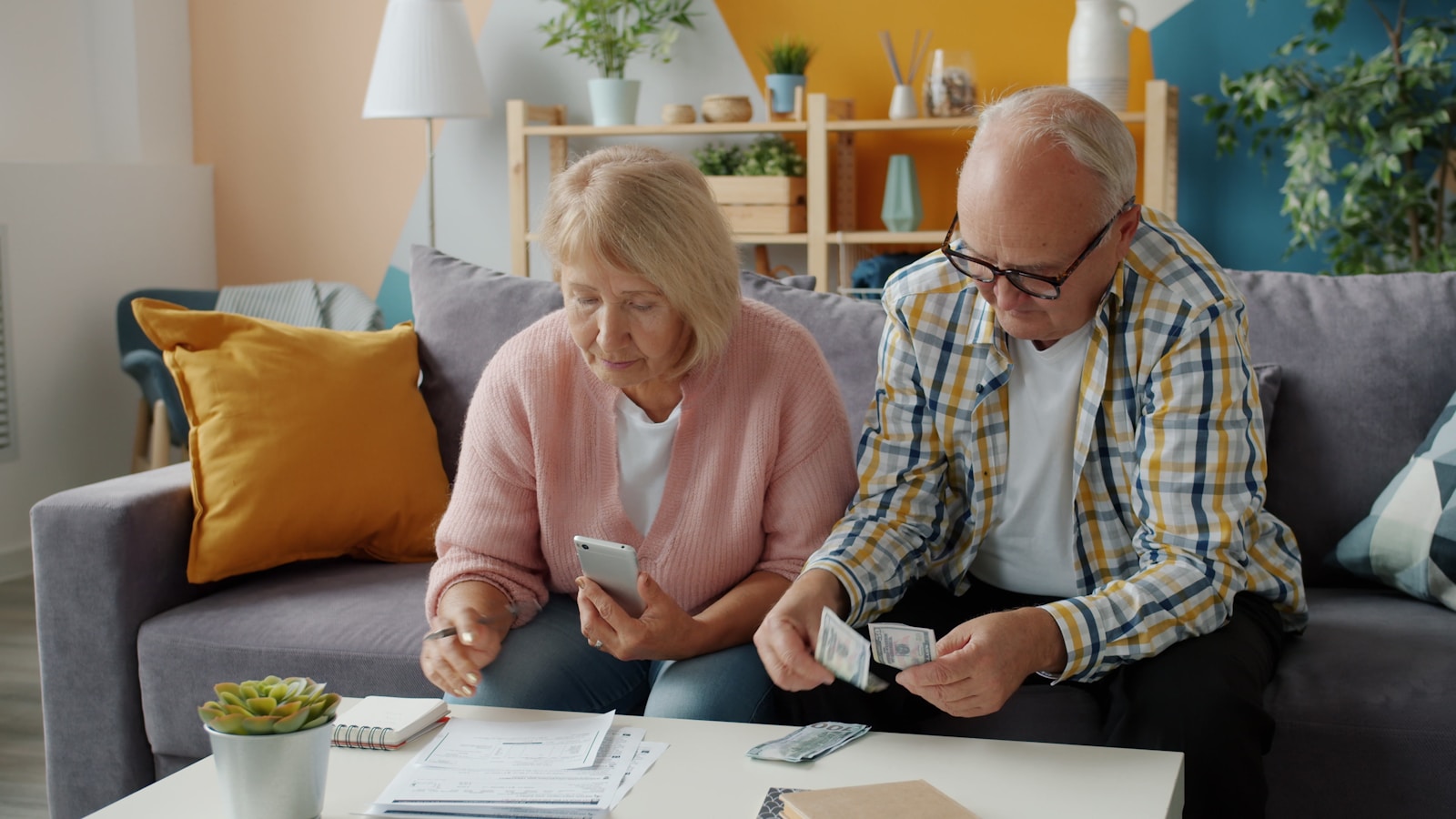
- Financial management: Learn budgeting, banking, and financial planning skills that help you manage money responsibly without the chaos that often accompanies addiction.
- Employment readiness: Workshops on resume writing, job searching, and interview skills prepare you to find and maintain meaningful employment.
- Daily living skills: Training in cooking, cleaning, time management, and self-care helps you build routines that support recovery.
- Conflict resolution: Learn healthy ways to handle disagreements and stress without resorting to substance use.
Motivational interviewing enhances internal motivation:
- Exploring ambivalence: This client-centered approach helps you work through mixed feelings about change, strengthening your own reasons for recovery.
- Building self-efficacy: Rather than being told what to do, motivational interviewing helps you discover your own capacity for change.
- Reducing resistance: This collaborative style decreases defensiveness and increases openness to treatment.
Medication management addresses biological factors:
- Treating co-occurring conditions: Psychiatrists and nurse practitioners prescribe and monitor medications for depression, anxiety, bipolar disorder, and other mental health conditions that impact recovery.
- Medication-assisted treatment: For opioid or alcohol use disorders, medications like buprenorphine, naltrexone, or acamprosate can reduce cravings and support long-term sobriety.
- Regular monitoring: Frequent check-ins ensure medications are effective and side effects are managed appropriately.
Mentoring programs provide peer support:
- Recovery role models: Connect with individuals who have successfully navigated recovery and can offer guidance, hope, and practical advice.
- Accountability partnerships: Mentors provide additional accountability and support between formal therapy sessions.
- Community integration: Mentors can help you connect with local recovery resources, support groups, and sober activities in the Bend community.
These comprehensive services distinguish an exceptional Bend OR rehab facility from basic treatment programs.
The Bend Advantage: Location and Community
Choosing a Bend OR rehab facility offers unique advantages beyond clinical programming. Bend’s natural beauty, outdoor recreation opportunities, and supportive recovery community create an ideal environment for healing. The Central Oregon landscape provides a peaceful backdrop that promotes reflection, while the town’s wellness culture aligns with recovery values. Many facilities incorporate outdoor experiential therapy, taking advantage of nearby hiking trails, rivers, and mountains. This connection with nature has proven therapeutic benefits, reducing stress and promoting mental clarity. Additionally, Bend’s growing recovery community means you’ll have access to numerous support groups and sober activities after completing formal treatment.
Continuing Care and Alumni Support
One of the most critical yet often overlooked aspects of treatment is what happens after you complete your primary program at a Bend OR rehab facility. Successful recovery extends far beyond your discharge date, which is why quality facilities prioritize continuing care and alumni services.
Aftercare planning ensures a smooth transition back to daily life. Before you leave the facility, your treatment team will work with you to develop a comprehensive discharge plan that includes outpatient therapy appointments, support group connections, sober living arrangements if needed, and crisis resources. This roadmap provides clear direction during the vulnerable early months of recovery when the risk of relapse is highest.
Alumni programs keep you connected to your recovery community long after treatment ends. Many facilities host regular alumni meetings, social events, and volunteer opportunities that allow you to maintain relationships formed during treatment. These gatherings provide ongoing encouragement, accountability, and the chance to mentor newcomers—a practice that strengthens your own recovery while helping others.
Family involvement and education represent another crucial component offered by comprehensive facilities. Addiction affects entire family systems, not just the individual struggling with substance use. Family therapy sessions, educational workshops, and support groups help loved ones understand addiction as a disease, learn healthy communication skills, establish appropriate boundaries, and begin their own healing process. When families engage in treatment, outcomes improve significantly, as the home environment becomes supportive rather than enabling.
Insurance and Financial Considerations
Understanding the financial aspects of treatment helps remove barriers to accessing care at a Bend OR rehab facility. Most quality facilities accept various insurance plans and can verify your benefits before admission. Many policies cover a significant portion of treatment costs, including detox, inpatient care, and outpatient services. Financial counselors at the facility can explain your coverage, out-of-pocket costs, and payment options. Some facilities also offer sliding scale fees or payment plans to make treatment accessible regardless of financial circumstances. Remember that investing in recovery is investing in your future health, relationships, and quality of life.
Conclusion
Selecting a Bend OR rehab facility is a significant decision that can change the trajectory of your life. Look for facilities that offer comprehensive assessments, multiple levels of care, evidence-based therapies, and ongoing support services.
The best programs treat you as a whole person. They address not just your substance use but also your mental health, relationships, physical wellness, and life circumstances. Recovery is possible, and the right Bend OR rehab facility provides the foundation, tools, and support you need. Consequently, you can build a life beyond addiction. Come view our services and facility by visiting our website. Alternatively, speak with one of our rehab professionals directly by calling 1 (541) 802-7214. Whether you’re seeking help for yourself or a loved one, taking this step demonstrates strength. Furthermore, it demonstrates hope for a healthier future.