
When facing substance abuse challenges, finding the right treatment facility can feel overwhelming. For those in Central Oregon seeking professional help, choosing the right Bend drug rehab is one of the most important decisions you’ll make on your path to recovery. The journey from addiction to lasting sobriety requires compassionate care, evidence-based treatment, and a supportive environment that addresses your unique needs. Understanding what makes an effective treatment program and how to identify the right fit for your circumstances can make all the difference in achieving long-term recovery success.
Understanding Your Treatment Options
Bend drug rehab facilities offer various levels of care designed to meet individuals at different stages of their recovery journey. The spectrum of treatment options ensures that whether you’re taking your first steps toward sobriety or seeking additional support after previous treatment attempts, there’s a program tailored to your specific situation. Comprehensive treatment centers recognize that addiction affects every aspect of a person’s life—physical health, mental wellbeing, relationships, and daily functioning. This understanding informs the multifaceted approach that quality rehab programs provide.
The right Bend drug rehab will conduct thorough assessments to determine the appropriate level of care based on factors including the severity of addiction, co-occurring mental health conditions, previous treatment history, medical considerations, and personal circumstances such as family responsibilities or employment. This individualized approach ensures you receive neither too little support to be effective nor more intensive care than necessary, optimizing both treatment outcomes and resource utilization.
Detoxification and Intervention Assistance
For many individuals, the recovery journey begins with detoxification—the process of safely removing substances from the body while managing withdrawal symptoms. Quality Bend drug rehab programs either provide on-site medical detox or coordinate closely with medical facilities to ensure this critical phase is completed safely and comfortably.
Medical supervision during detox is essential because withdrawal from certain substances can produce dangerous complications without proper monitoring and medication-assisted support. Key aspects of detox and intervention services include:
- 24/7 medical monitoring to track vital signs and respond immediately to any complications during the withdrawal process
- Medication-assisted treatment to reduce withdrawal discomfort and cravings, making the detox process more manageable
- Nutritional support to help the body begin healing from the physical toll of substance abuse
- Emotional stabilization through compassionate care that addresses the psychological distress often accompanying early withdrawal
- Professional intervention services for families who need support in helping their loved one recognize the need for treatment and take that crucial first step
Intervention assistance provided by trained professionals can be invaluable when someone is reluctant to seek help. These structured conversations, guided by experienced interventionists, help families communicate their concerns effectively while presenting treatment as a pathway to hope rather than punishment.
Inpatient and Residential Treatment Programs
Inpatient treatment at a Bend drug rehab provides the most intensive level of care, offering a structured environment where individuals can focus entirely on their recovery without the distractions and triggers of daily life. This immersive approach is particularly beneficial for those with severe addictions, co-occurring mental health disorders, unstable home environments, or previous unsuccessful treatment attempts. Benefits of inpatient and residential care include:
- Complete removal from triggering environments and negative influences that perpetuate substance use
- Structured daily schedules that establish healthy routines and eliminate the idle time that often leads to cravings
- Immediate access to support whenever challenges arise, with clinical staff available around the clock
- Intensive therapy schedules allowing for multiple therapeutic sessions weekly to accelerate healing and skill development
- Peer community support from others navigating similar challenges, reducing isolation and building accountability relationships
- Medical and psychiatric care addressing both addiction and any underlying mental health conditions simultaneously
Residential treatment typically lasts 30 to 90 days, though some individuals benefit from longer stays. The length of treatment should be determined by individual progress rather than arbitrary timeframes, with quality Bend drug rehab centers offering flexible programming that adapts to each person’s recovery trajectory.
Outpatient Treatment Flexibility
Outpatient programs offer a less intensive but still highly effective treatment option for individuals who have completed inpatient care or whose addiction severity allows them to maintain daily responsibilities while receiving treatment. Bend drug rehab facilities with comprehensive outpatient services enable individuals to gradually transition back to regular life while maintaining strong therapeutic support. Outpatient treatment advantages include:
- Continued employment or education while receiving professional addiction treatment, preserving life stability
- Family involvement made easier by living at home, allowing for real-time application of family therapy insights
- Real-world practice of coping skills and relapse prevention strategies in actual triggering situations with clinical support
- Cost-effectiveness compared to residential treatment, making recovery accessible to more individuals
- Flexible scheduling with evening and weekend options accommodating work and family commitments
- Step-down continuity providing seamless transition from inpatient to less intensive care without losing therapeutic momentum
Intensive outpatient programs (IOP) typically involve 9-20 hours of treatment weekly, while standard outpatient care may require just a few hours per week. This flexibility allows a Bend drug rehab to customize care intensity to match individual needs as they evolve throughout recovery.
Individual and Group Therapy
The therapeutic relationship forms the foundation of effective addiction treatment. Quality Bend drug rehab programs incorporate both individual and group therapy, recognizing that each modality offers distinct benefits that together create a comprehensive healing experience. Individual therapy provides:
- Personalized attention addressing your specific trauma history, mental health concerns, and addiction triggers
- Safe exploration of painful experiences and emotions that may feel too vulnerable to share in group settings
- Customized treatment planning that evolves based on your progress and emerging insights
- Privacy for sensitive issues including trauma, family dysfunction, or co-occurring disorders requiring specialized attention
Group therapy offers:
- Peer support and validation from others who truly understand the struggles of addiction recovery
- Social skills development in a safe environment where interpersonal challenges can be practiced and processed
- Multiple perspectives on common recovery challenges, expanding your toolkit of coping strategies
- Accountability relationships that continue providing support and motivation beyond formal treatment
- Reduced isolation through connection with others facing similar challenges, combating the loneliness addiction creates
The combination of these therapeutic approaches in a Bend drug rehab setting ensures individuals receive both deep personal attention and the powerful healing that occurs within community.
Evidence-Based Therapeutic Modalities
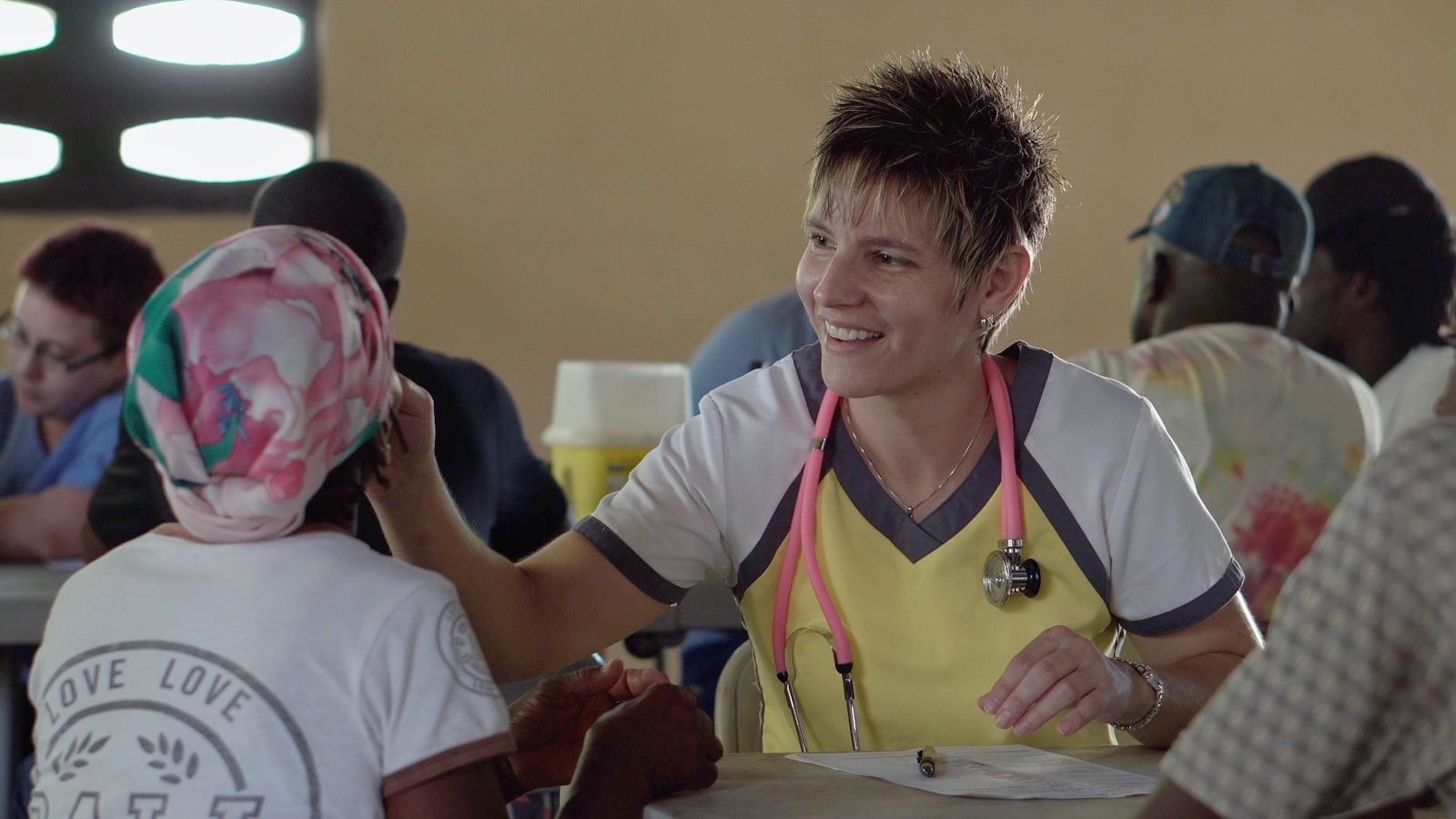
Modern addiction treatment incorporates specialized therapeutic approaches proven effective through extensive research. Leading Bend drug rehab programs offer multiple evidence-based modalities to address the complex psychological aspects of addiction and co-occurring mental health disorders.
- Eye Movement Desensitization and Reprocessing (EMDR) has emerged as a powerful tool for processing traumatic experiences that often underlie substance abuse. Many individuals turn to drugs or alcohol to self-medicate unresolved trauma, and EMDR helps reprocess these memories, reducing their emotional impact and eliminating the need for chemical numbing. This therapy uses bilateral stimulation—typically eye movements—to help the brain process traumatic memories more adaptively, often achieving in weeks what traditional talk therapy might take years to accomplish.
- Cognitive Behavioral Therapy (CBT) represents the gold standard in addiction treatment, helping individuals identify and change the thought patterns and beliefs that drive addictive behaviors. Through CBT at a Bend drug rehab, clients learn to recognize triggers, challenge irrational thoughts, and develop healthier responses to stress and emotional discomfort. This practical, skills-based approach provides tools immediately applicable to real-life situations, empowering individuals to take active control of their recovery.
- Dialectical Behavior Therapy (DBT) proves particularly valuable for those with co-occurring mental health conditions, especially emotional regulation difficulties. Originally developed for borderline personality disorder, DBT teaches four core skill sets: mindfulness, distress tolerance, emotion regulation, and interpersonal effectiveness. These skills are invaluable in recovery, helping individuals manage intense emotions without turning to substances and navigate relationship challenges that often trigger relapse.
Life Skills and Practical Recovery Support
Addiction often arrests personal development, leaving individuals without essential life skills needed for independent, healthy functioning. Comprehensive Bend drug rehab programs recognize that sustained recovery requires more than addressing the addiction itself—it requires rebuilding practical capabilities for daily life. Life skills training typically includes:
- Financial management education covering budgeting, banking, and rebuilding credit damaged by addiction
- Employment readiness including resume development, interview skills, and workplace communication strategies
- Healthy relationship building teaching boundaries, communication, and how to develop supportive connections
- Time management and organizational skills to structure days productively without relying on substances
- Nutrition and exercise education promoting physical health as a foundation for mental and emotional wellbeing
- Stress management techniques providing alternatives to substance use when life becomes overwhelming
These practical skills transform abstract recovery concepts into daily actions, giving individuals confidence that they can navigate adult responsibilities successfully without substances.
Mentoring Programs and Peer Support
The power of connection with others who have successfully navigated recovery cannot be overstated. Many Bend drug rehab facilities incorporate mentoring programs that pair newer clients with those further along in recovery or with alumni who have maintained sobriety. These relationships provide hope, practical guidance, and accountability that extends beyond formal treatment.
Mentors offer real-world perspectives on recovery challenges, sharing strategies that worked for them and helping newer clients anticipate obstacles before they become crises. This peer-to-peer support complements professional clinical care, creating a comprehensive support network that addresses recovery from multiple angles. For many, seeing someone who once struggled as they do now thriving in recovery provides the motivation to persist when challenges arise.
Comprehensive Relapse Prevention Strategies
Understanding that addiction is a chronic condition requiring ongoing management, quality Bend drug rehab programs place significant emphasis on relapse prevention. Rather than viewing relapse as failure, effective programs recognize it as a potential part of recovery and equip clients with strategies to prevent it or respond quickly if warning signs appear. Relapse prevention components include:
- Trigger identification and management helping you recognize situations, emotions, and people that threaten sobriety
- Coping skills development providing healthy alternatives when cravings or difficult emotions arise
- Warning sign recognition teaching you to identify subtle changes in thinking or behavior that precede relapse
- Emergency response planning creating specific action steps to take when relapse risk increases
- Ongoing support connections including 12-step programs, alumni groups, or other continuing care resources
- Medication-assisted treatment when appropriate, using medications that reduce cravings and support recovery
These strategies transform recovery from a mysterious process into a manageable set of practices, empowering individuals with concrete tools for long-term success.
Family Support and Healing
Addiction affects entire family systems, not just the individual struggling with substances. The most effective Bend drug rehab programs recognize this reality and incorporate family education, therapy, and support into comprehensive treatment plans. Family involvement serves multiple purposes: it helps loved ones understand addiction as a disease rather than a moral failing, teaches them how to support recovery without enabling, addresses family dynamics that may have contributed to substance use, and begins healing relationships damaged by addiction.
Family therapy sessions provide safe spaces to address resentments, rebuild trust, establish healthy boundaries, and develop communication patterns that support recovery rather than sabotage it. Educational programs help families recognize their own needs for healing and connect them with support resources designed specifically for those affected by a loved one’s addiction. When families heal together, recovery outcomes improve significantly, as individuals return to environments that actively support rather than undermine their sobriety efforts.
Breaking the Stigma Surrounding Addiction
Despite growing understanding of addiction as a medical condition, significant stigma still surrounds substance use disorders and seeking treatment. This stigma creates barriers that prevent many from pursuing the help they desperately need. Society often views addiction through a moral lens, seeing it as a character flaw or lack of willpower rather than the complex brain disease that scientific research has proven it to be.
This misunderstanding manifests in judgmental attitudes, discriminatory practices in employment and housing, reluctance to discuss addiction openly, and internalized shame that keeps people suffering in silence. The stigma affects not only those struggling with addiction but also their families, who may feel embarrassed or isolated by their loved one’s condition. Quality Bend drug rehab programs actively work to counter this stigma by treating clients with dignity and respect, educating families and communities about the nature of addiction, and celebrating recovery as a courageous journey rather than something to hide. Breaking through stigma requires cultural change—recognizing that seeking treatment demonstrates strength, not weakness, and that recovery is always possible regardless of how many times someone has struggled. When communities embrace this perspective, more individuals feel safe reaching out for help before their addiction progresses to life-threatening levels, and those in recovery receive the support necessary for long-term success.
Conclusion
Choosing the right Bend drug rehab is a deeply personal decision that should be based on your specific needs, circumstances, and recovery goals. The most important step is simply reaching out—making that first phone call, attending an assessment, or allowing loved ones to help you explore treatment options. Recovery is not only possible; it happens every day for people who once believed they were beyond help. Quality treatment facilities understand that each person’s journey is unique and will work with you to develop a plan addressing your individual challenges while building on your existing strengths.
Whether you need intensive residential care or flexible outpatient support, evidence-based therapies or practical life skills, medical assistance or family healing, comprehensive Bend drug rehab programs can provide the resources and support necessary for lasting change. If you or a loved one are struggling with addiction don’t wait any longer and give us a call today at (541) 802-7214 or visit our website. Your recovery journey begins with a single courageous decision—the decision that you deserve a better life and that help is available to make that life possible.