

Choosing the right drug rehab program in Bend Oregon can feel overwhelming, especially when you or a loved one is struggling with addiction. With numerous treatment options available throughout Central Oregon, understanding what makes an effective rehabilitation program is essential to achieving lasting recovery. The right drug rehab program in Bend Oregon will address your unique needs, provide evidence-based treatments, and support you through every stage of the recovery journey.
Understanding Your Treatment Needs
Before selecting a drug rehab program in Bend Oregon, it’s important to assess the severity of addiction and any co-occurring mental health conditions. Some individuals may require medical detoxification, while others might benefit from outpatient counseling. The ideal program should offer comprehensive assessments to determine the appropriate level of care. Bend’s recovery community offers diverse options, from intensive residential programs to flexible outpatient services that allow individuals to maintain work and family responsibilities while receiving treatment.
Levels of Care in Addiction Treatment
A quality drug rehab program in Bend Oregon should provide multiple levels of care to meet patients where they are in their recovery journey. Understanding these different treatment options helps you make an informed decision about which program aligns with your specific circumstances and recovery goals.
Detox & Intervention Assistance
Detoxification is often the critical first step in overcoming substance dependency. Medical detox provides supervised withdrawal management in a safe environment where healthcare professionals monitor vital signs and manage uncomfortable or potentially dangerous withdrawal symptoms. This process is essential for individuals dependent on alcohol, opioids, benzodiazepines, or other substances that can cause severe withdrawal complications. Intervention assistance services help families and loved ones approach someone struggling with addiction in a structured, compassionate way. Professional interventionists guide families through the process of encouraging their loved one to accept treatment, addressing denial, and facilitating immediate admission to a drug rehab program in Bend Oregon. These services bridge the gap between recognizing the problem and taking action, often making the difference between continued substance abuse and entering recovery.
Inpatient & Outpatient Treatment
Inpatient treatment provides 24-hour structured care in a residential setting, removing individuals from triggering environments and providing intensive therapeutic support. This level of care is ideal for those with severe addictions, co-occurring mental health disorders, or those who have tried outpatient treatment without success. Patients live at the facility full-time, participating in individual therapy, group counseling, educational sessions, and recreational activities designed to build healthy coping mechanisms.
Outpatient treatment offers flexibility for individuals who have work, school, or family obligations they cannot leave. Patients attend therapy sessions several times per week while living at home, allowing them to practice recovery skills in real-world settings. Outpatient programs work well for those with strong support systems, stable living environments, and moderate addiction severity. Many people transition from inpatient to outpatient care as they progress in recovery.
Partial Hospitalization Program & Residential Treatment
Partial hospitalization programs (PHP) represent an intermediate level of care between inpatient and standard outpatient treatment. Patients attend treatment for several hours each day, typically five to seven days per week, but return home in the evenings. This structure provides intensive therapeutic support while allowing individuals to gradually reintegrate into daily life. PHPs are particularly beneficial for those stepping down from inpatient care or those who need more support than traditional outpatient services provide.
Residential treatment offers a immersive recovery environment where patients live at the facility for an extended period, typically 30 to 90 days or longer. Unlike hospital-based inpatient programs, residential treatment centers often feel more home-like while still providing structured daily schedules filled with therapy, skill-building activities, and peer support. This extended time away from daily stressors allows individuals to focus entirely on healing and developing the foundation for long-term sobriety.
Evidence-Based Therapeutic Approaches
The most effective drug rehab program in Bend Oregon will incorporate multiple evidence-based therapeutic modalities tailored to each individual’s needs. These proven treatment approaches address both the psychological and behavioral aspects of addiction.
EMDR (Eye Movement Desensitization and Reprocessing)
EMDR is a powerful therapy particularly effective for individuals whose substance abuse stems from trauma or traumatic experiences. This treatment helps patients process disturbing memories and reduce their emotional impact through bilateral stimulation, typically eye movements. Many people turn to drugs or alcohol to numb painful memories from abuse, accidents, combat, or other traumatic events. EMDR allows the brain to reprocess these memories in a healthier way, reducing the need to self-medicate and addressing root causes of addiction rather than just symptoms.
CBT (Cognitive Behavioral Therapy)
Cognitive Behavioral Therapy is one of the most widely used and researched addiction treatment approaches. CBT helps individuals identify negative thought patterns and beliefs that contribute to substance abuse, then develop healthier ways of thinking and behaving. Patients learn to recognize triggers, challenge distorted thinking, and implement practical coping strategies for managing cravings and stress. The skills learned in CBT are practical and applicable to daily life, making it an essential component of any comprehensive drug rehab program in Bend Oregon.
DBT (Dialectical Behavior Therapy)
Originally developed for treating borderline personality disorder, DBT has proven highly effective for addiction treatment, especially for individuals who struggle with emotional regulation. This therapy combines cognitive-behavioral techniques with mindfulness practices, teaching four core skill sets: mindfulness, distress tolerance, emotion regulation, and interpersonal effectiveness. DBT is particularly beneficial for those with co-occurring mental health disorders, helping them manage intense emotions without turning to substances. The emphasis on accepting reality while working toward change creates a balanced approach to recovery.
Life Skills Training
Addiction often prevents individuals from developing or maintaining essential life skills needed for independent living. Life skills training within a drug rehab program in Bend Oregon teaches practical abilities such as financial management, healthy meal planning, time management, job search strategies, and effective communication. These skills empower individuals to build stable, productive lives in recovery. Many people in active addiction have neglected basic self-care, damaged professional relationships, or lost jobs, making these skills crucial for successful reintegration into society.
Motivational Interviewing
Motivational interviewing is a client-centered counseling approach that helps individuals resolve ambivalence about recovery and strengthen their commitment to change. Rather than confronting denial directly, therapists using motivational interviewing techniques help patients explore their own motivations, values, and goals. This approach recognizes that lasting change comes from internal motivation rather than external pressure. It’s particularly effective during early treatment stages when individuals may feel uncertain about recovery or resistant to treatment recommendations.
Medication Management
Medication-assisted treatment (MAT) combines behavioral therapies with FDA-approved medications to treat substance use disorders. For opioid addiction, medications like buprenorphine, methadone, or naltrexone can reduce cravings and withdrawal symptoms, significantly improving treatment outcomes. For alcohol use disorder, medications like naltrexone, acamprosate, or disulfiram support sobriety. A quality drug rehab program in Bend Oregon should have medical professionals who can assess whether medication management is appropriate and provide ongoing monitoring to ensure medications are working effectively alongside therapy.
Mentoring Programs
Peer mentoring and recovery coaching provide invaluable support from individuals who have successfully navigated their own recovery journeys. Mentors offer guidance, encouragement, and accountability while sharing their experiences and coping strategies. This relationship provides hope and demonstrates that long-term recovery is achievable. Many drug rehab programs in Bend, Oregon connect patients with mentors who can relate to their struggles and provide ongoing support after formal treatment ends, helping prevent relapse and promoting sustained recovery.
Addressing Co-Occurring Disorders
An effective drug rehab program in Bend Oregon must address co-occurring mental health disorders alongside addiction. Research shows that approximately 50% of individuals with substance use disorders also struggle with mental health conditions such as depression, anxiety, PTSD, or bipolar disorder. Integrated treatment that addresses both conditions simultaneously produces better outcomes than treating either condition in isolation. The therapeutic approaches mentioned above—particularly EMDR, CBT, and DBT—are highly effective for treating co-occurring disorders, helping individuals understand the relationship between their mental health and substance use.
What to Look for in a Bend Rehab Program
When evaluating a drug rehab program in Bend Oregon, consider the following factors:
- Accreditation and licensing: Ensure the facility meets state and national standards for addiction treatment
- Qualified staff: Look for programs with licensed therapists, certified addiction counselors, and medical professionals
- Individualized treatment plans: Avoid one-size-fits-all approaches in favor of personalized care
- Family involvement: Programs that include family therapy and education produce better long-term outcomes
- Aftercare planning: Comprehensive discharge planning and ongoing support services are essential for preventing relapse
- Treatment philosophy: Understanding whether the program uses evidence-based practices or alternative approaches
- Insurance acceptance: Verify whether the program accepts your insurance or offers payment options
The Bend Advantage for Recovery
Bend’s natural beauty and outdoor recreation opportunities provide unique advantages for recovery. Many local treatment programs incorporate wilderness therapy, hiking, and other outdoor activities that promote physical health, mindfulness, and connection with nature. The supportive recovery community in Central Oregon offers numerous 12-step meetings, SMART Recovery groups, and sober activities that provide ongoing support beyond formal treatment.
Understanding Substance Use Disorders and Mental Health Disorders
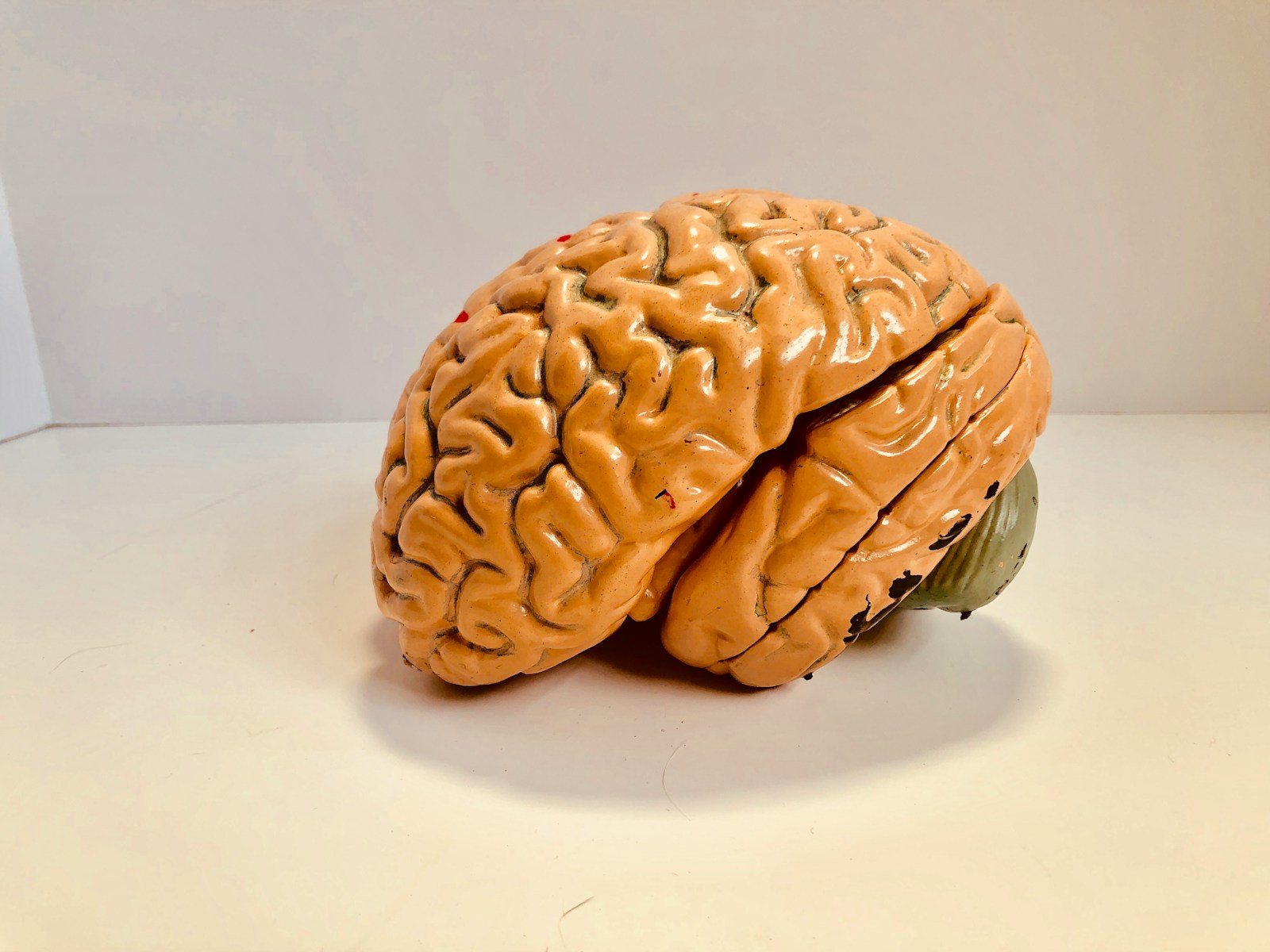
Many premier treatment centers offering a drug rehab program in Bend Oregon recognize that substance use disorders rarely exist in isolation. These conditions are complex brain diseases that fundamentally alter neural pathways, affecting decision-making, impulse control, and reward processing. Understanding the nature of these disorders is essential for approaching treatment with compassion and evidence-based strategies.
Substance use disorders often develop alongside mental health disorders in what clinicians call dual diagnosis or co-occurring disorders. Depression and anxiety disorders are among the most common conditions that intersect with addiction. Individuals may initially use substances to self-medicate symptoms of untreated mental illness, creating a dangerous cycle where substance abuse worsens mental health symptoms, which in turn drives continued drug or alcohol use.
Post-traumatic stress disorder frequently co-occurs with substance use disorders, as individuals attempt to numb painful memories or escape intrusive thoughts through drug or alcohol consumption. Similarly, bipolar disorder, attention-deficit hyperactivity disorder, and personality disorders significantly increase addiction risk. The impulsivity, mood instability, and emotional dysregulation characteristic of these conditions make individuals more vulnerable to developing substance dependencies.
Treating both substance use disorders and mental health disorders simultaneously through integrated treatment approaches produces far better outcomes than addressing either condition independently. When mental health symptoms go untreated, they undermine recovery efforts and increase relapse risk. Conversely, continued substance abuse prevents mental health treatments from working effectively, creating a barrier to psychiatric stability and overall wellness that quality treatment programs must address comprehensively.
Understanding Insurance Coverage and Financial Options
The cost of treatment should never be a barrier to receiving help. Most quality facilities offering a drug rehab program in Bend Oregon accept various insurance plans and can verify your coverage before admission. The Mental Health Parity and Addiction Equity Act requires insurance companies to cover addiction treatment similarly to other medical conditions, making treatment more accessible than many people realize.
For those without insurance or with limited coverage, many programs offer sliding scale fees based on income, payment plans, or scholarship opportunities. Some facilities work with state-funded programs or grants to help individuals access needed care. During your initial consultation, treatment centers can provide detailed information about costs and help identify financial resources available to you.
Conclusion
Choosing a drug rehab program in Bend Oregon is a deeply personal decision that should be based on your unique needs, circumstances, and recovery goals. Whether you need intensive inpatient treatment, flexible outpatient services, or specialized therapies for trauma and co-occurring disorders, Bend offers quality options to support your journey.
The most important step is reaching out for help and committing to the recovery process. Recovery from addiction is possible with the right treatment, support, and dedication. By selecting a drug rehab program in Bend Oregon that offers comprehensive services including medical detox, evidence-based therapies like EMDR, CBT, and DBT, medication management when appropriate, and robust aftercare planning, you give yourself the best chance at achieving lasting sobriety and building a fulfilling life in recovery. Don’t wait any longer and contact us for assistance today by calling 1 (541) 802-7214 or visit our website. Don’t wait to seek help—the right program is ready to support you in taking this life-changing step.